
The Prostate Cancer Book
4th Edition Out Now
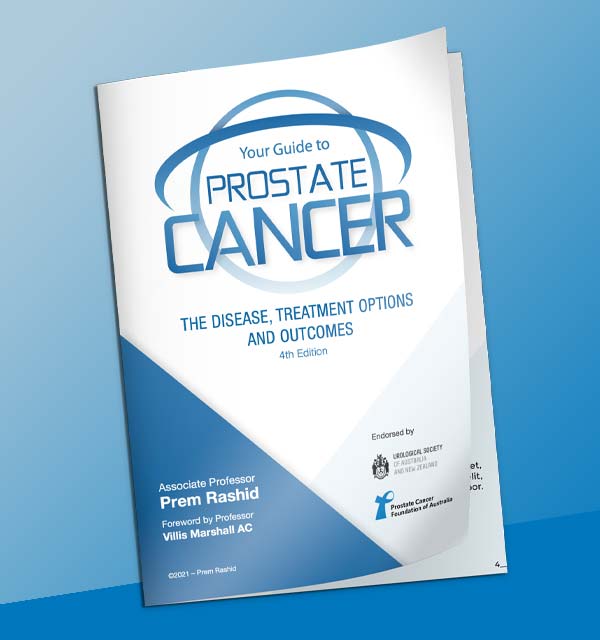
Welcome to the Fourth Edition of Your Guide to Prostate Cancer – The Disease, Treatment Options and Outcomes.
Congratulations on your commitment to seeking more information about this condition which affects so many men around the world. I can only assume that either you, or someone close to you, needs to know about prostate cancer and you hope to increase your knowledge about the condition. This book is an in-depth, yet simple to follow guide.
An earlier book I co-authored, Your Prostate – Questions Answered, was written to simplify this very complicated topic. My aim then was to help someone with no prior information about this disease develop a clear understanding.
The First Edition of Your Guide to Prostate Cancer was released in August 2003 by the Deputy Prime Minister. The Second Edition in 2006 launched by the Federal Minister of Health. The Third Edition in 2010 by General Sir Peter Cosgrove AK CVO MC.
All along, we continue to experience significant changes in the technologies that have developed. In addition, the way we think about this disease continues to evolve. It seemed time again re-work the book, after 11 years and update the material. I have reviewed the current state of information to present as balanced a view as I can. Hopefully, I have achieved that goal.
This book is written in several parts. Initially, as a background to the prostate gland itself and what constitutes cancer, specifically, prostate cancer. Beyond that, some of the options offered for the treatment of this condition in its various stages, including the advantages and disadvantages of the treatments involved.
I also welcome the generous contributions of many colleagues who have worked to support this work.
Furthermore, I thank the many people who have written and commented along the way. Where possible, I have tried to incorporate changes that have been suggested. I have also included some discussion on good health practices including diet principles and nutritional supplementation. I hope that you enjoy reading this book as much as I continue to enjoy researching and writing it. While it has been hard work to get to this stage, I hope you will find the information helpful. More importantly, I sincerely hope you are able to use it in your personal circumstances to achieve a favourable outcome.

I congratulate you once again for taking charge of your prostate health care. Using the information in books like this one, as well as other information sources, and working closely with your doctors and health-care providers, can only improve your overall health care and help you achieve your outcomes. Always check information you come across in any material, including this book, with your doctor(s).
I sincerely hope that this book fulfills for you, the purpose for which it was written. If you have suggestions to improve this book or have information that you feel would be helpful, please let me know.
Prem Rashid
Sample of Chapter Titles
Click on the chapter titles below to view a sample.
- The Prostate Gland
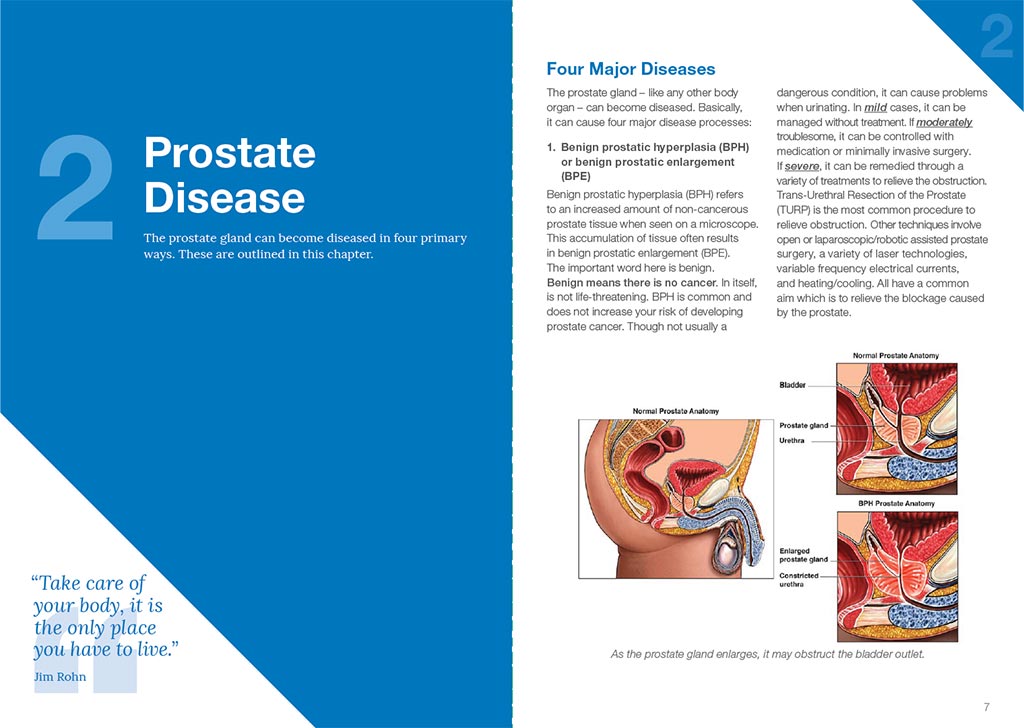
- Prostate Disease
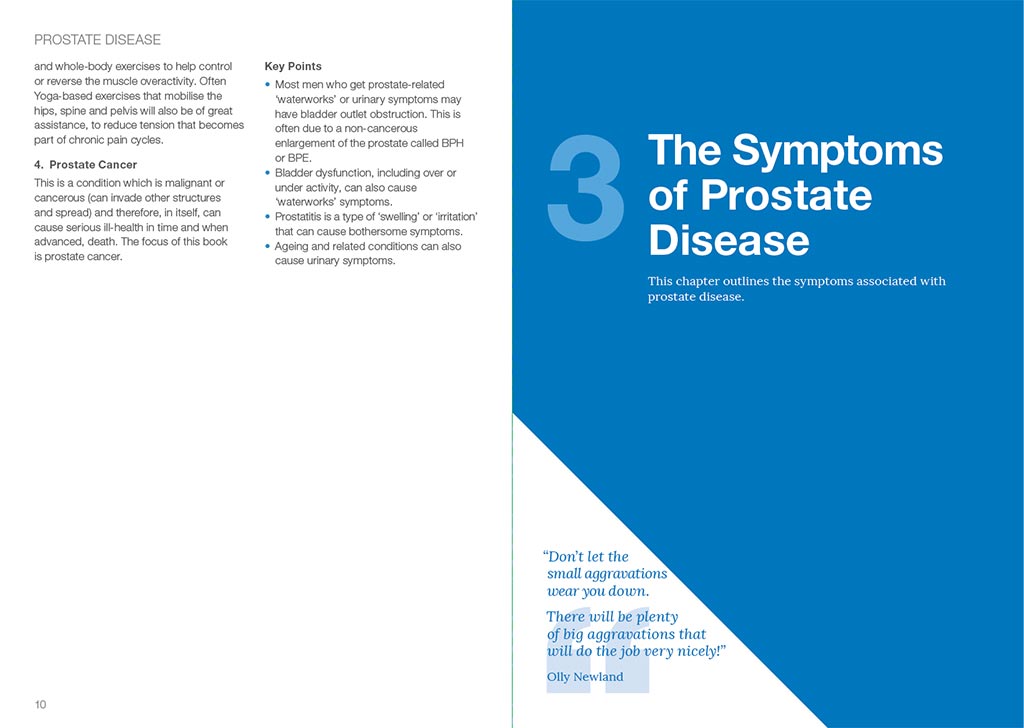
- The Symptoms of Prostate Disease
- Prostate Cancer
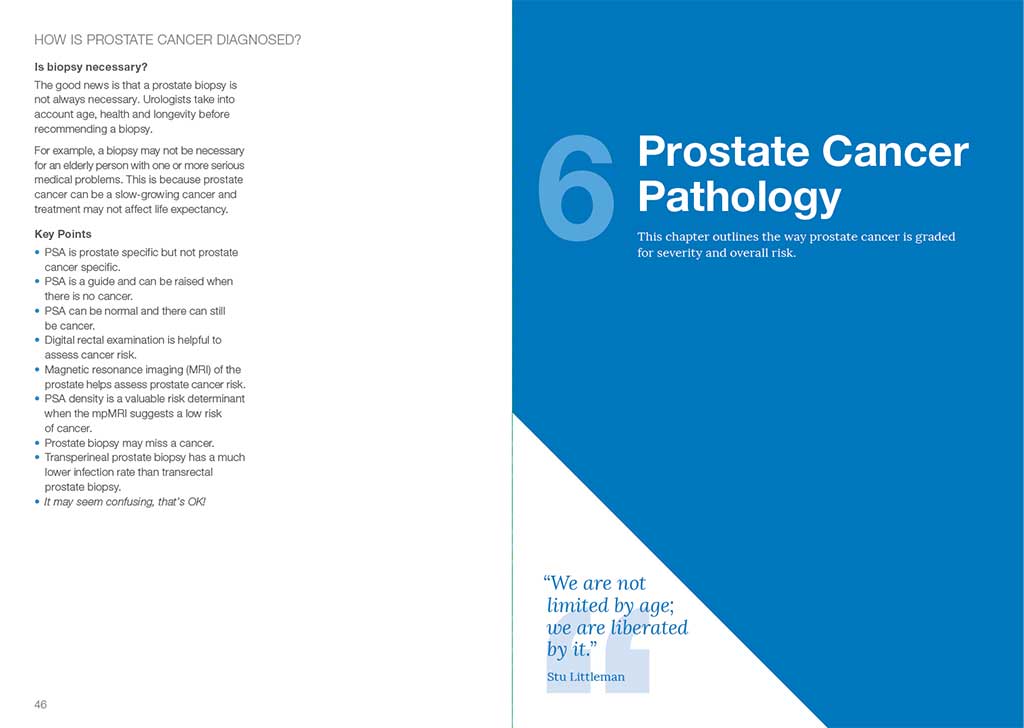
- How is Prostate Cancer Diagnosed?
- Prostate Cancer Pathology
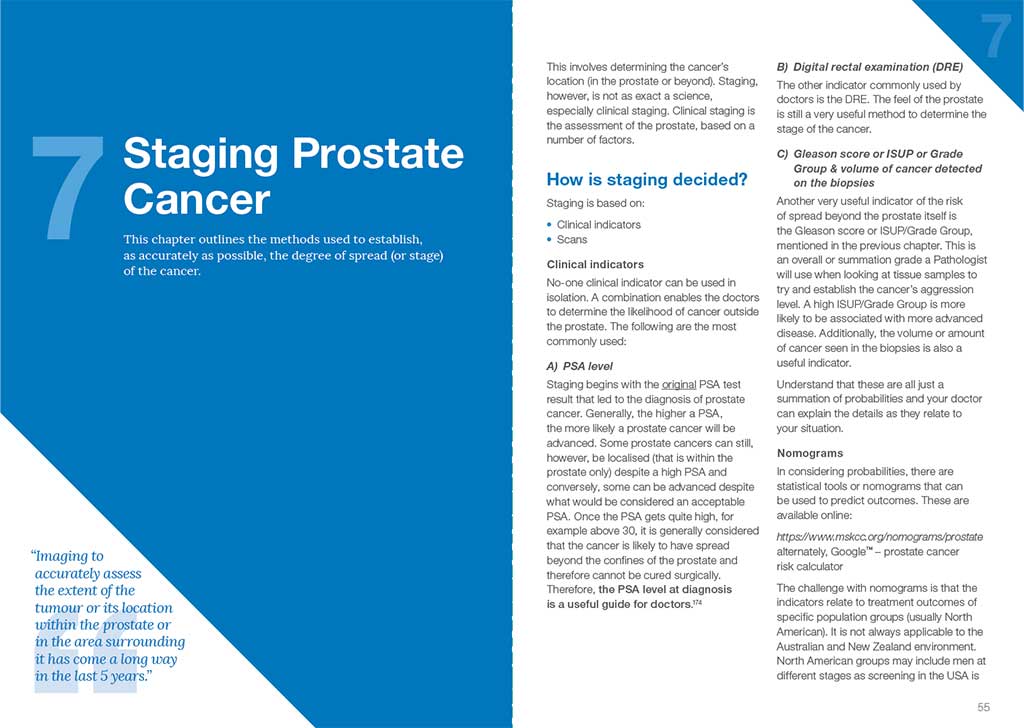
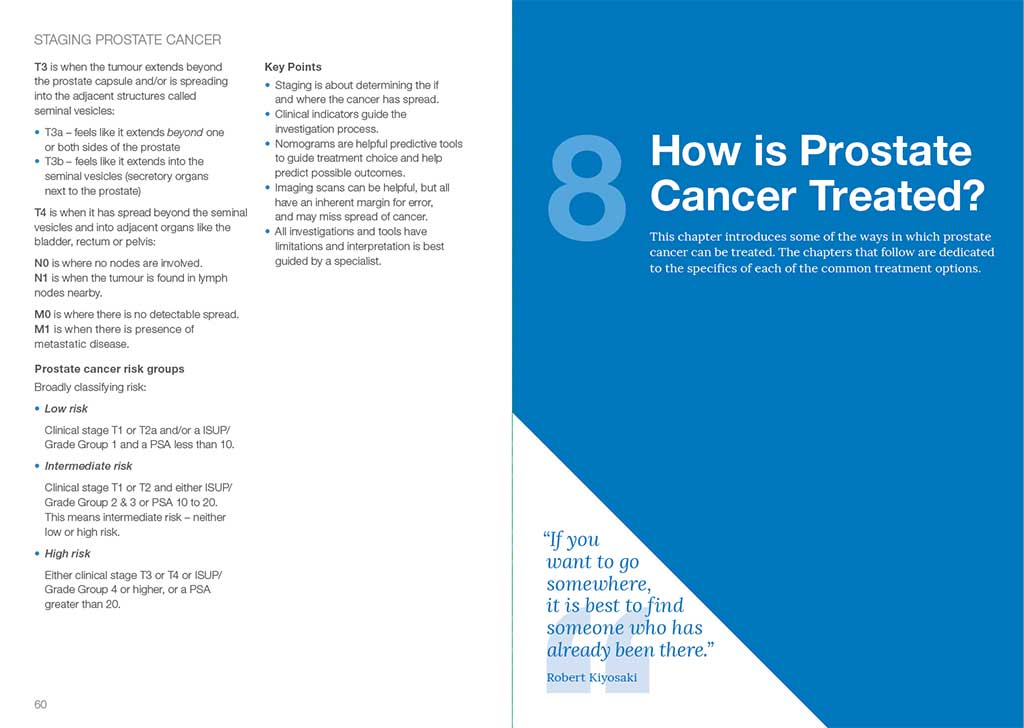
- Staging Prostate Cancer
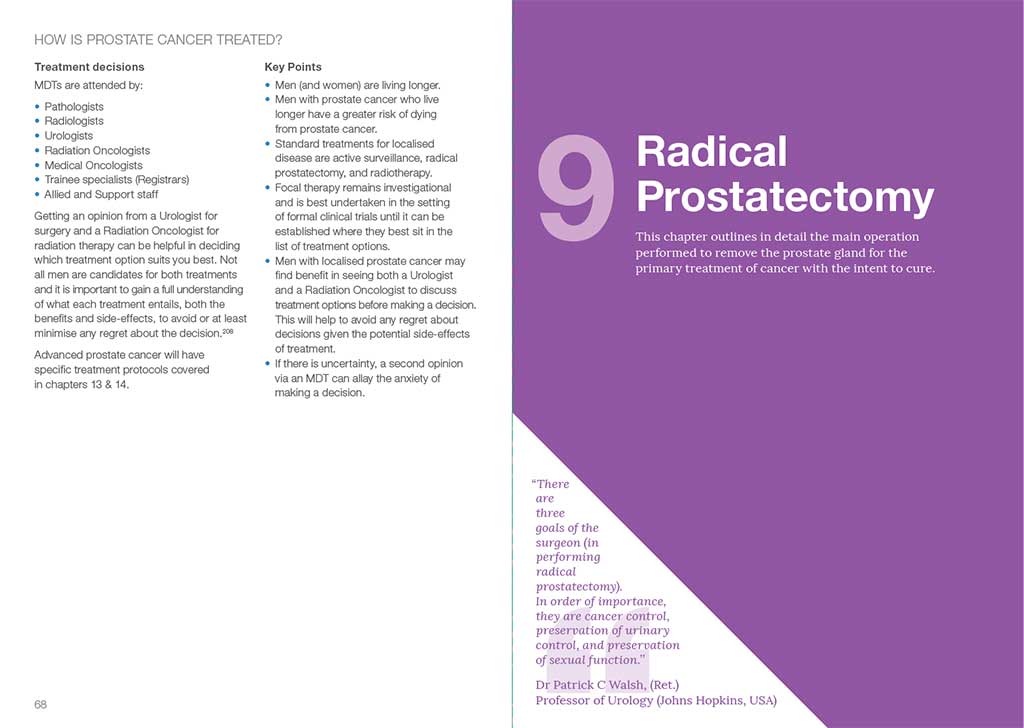
- How is Prostate Cancer Treated?
- Radical Prostatectomy
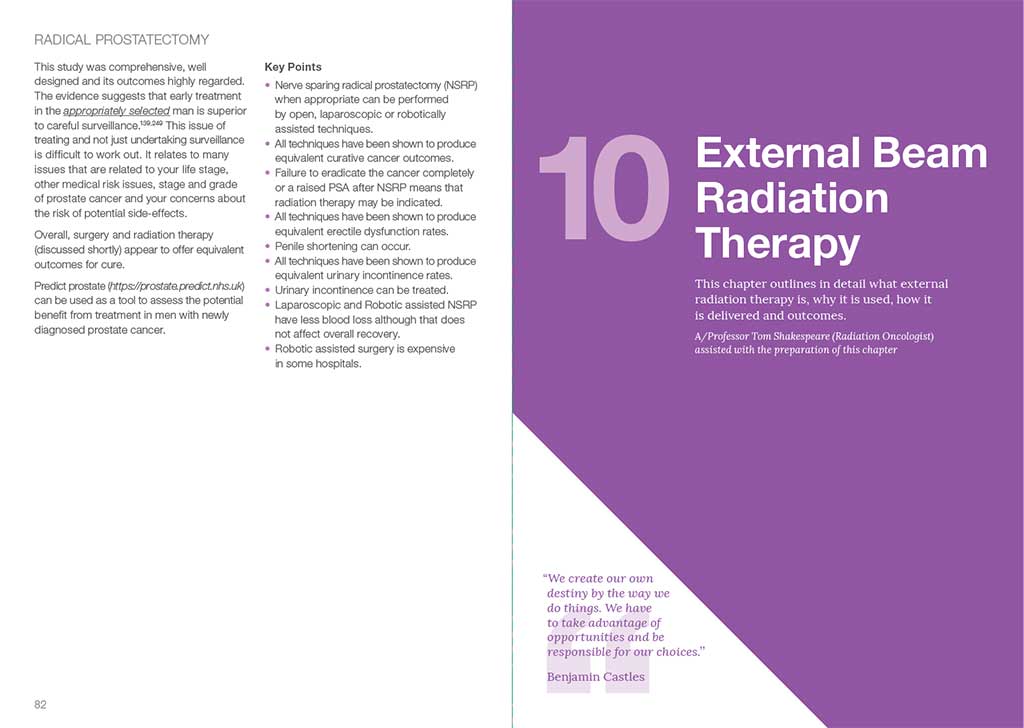
- External Beam Radiation Therapy
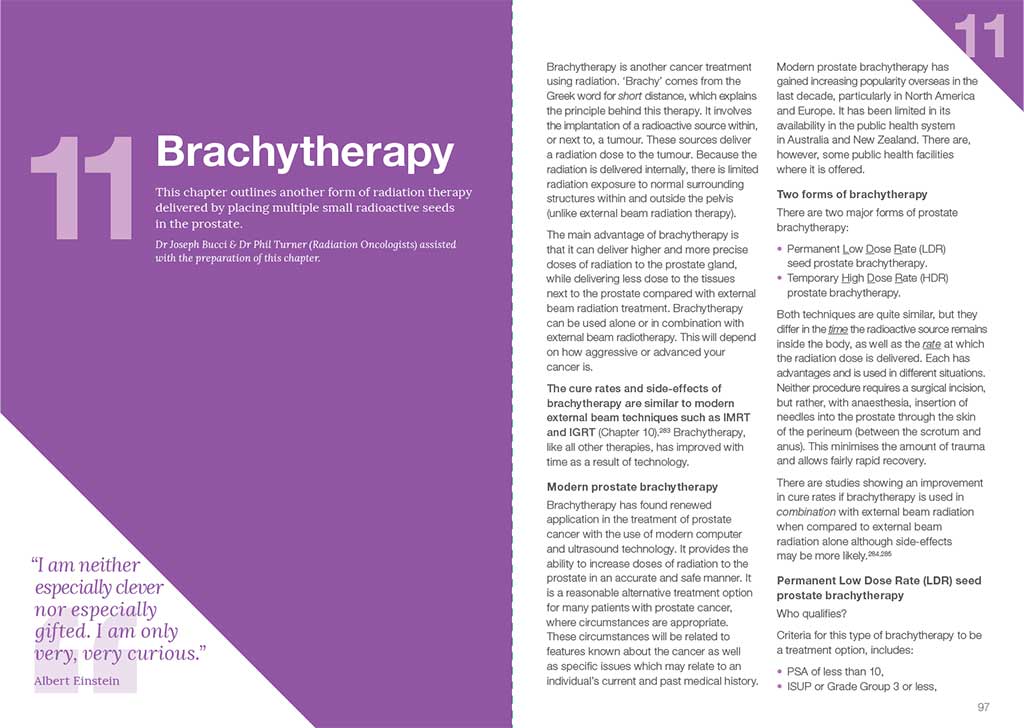
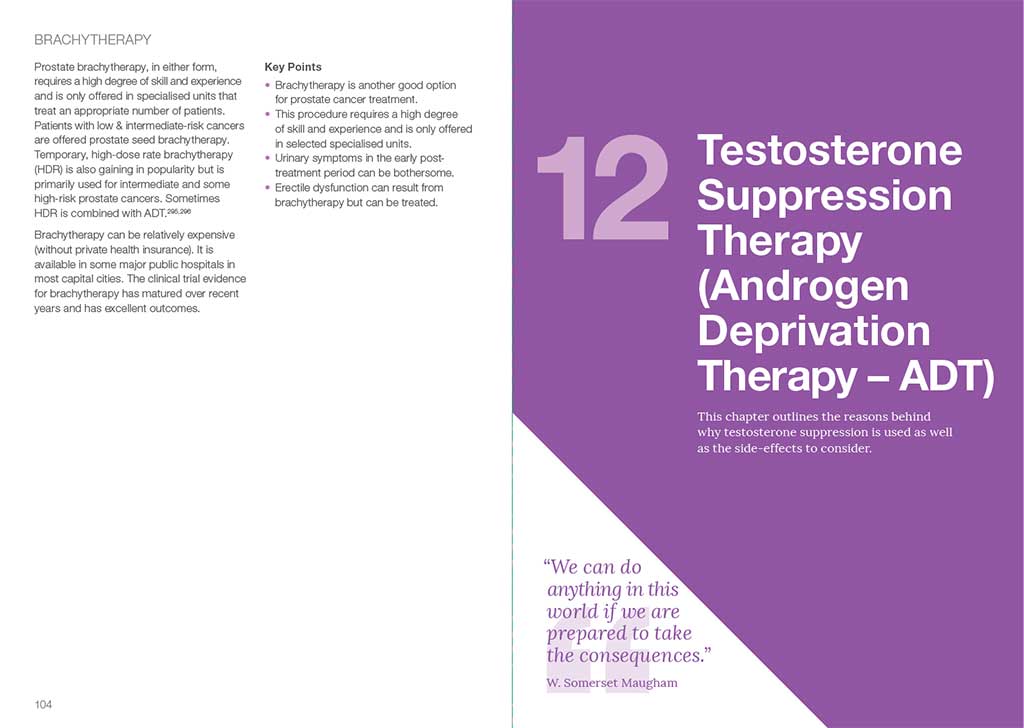
- Brachytherapy
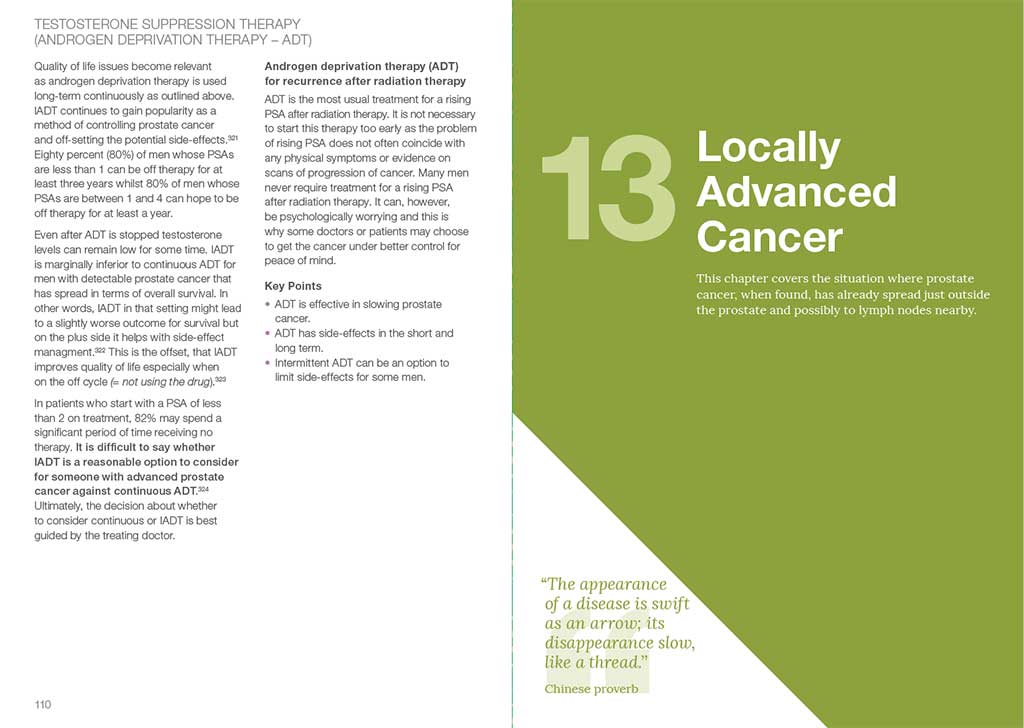
- Testosterone Suppression Therapy (Androgen Deprivation Therapy – ADT)
- Locally Advanced Cancer
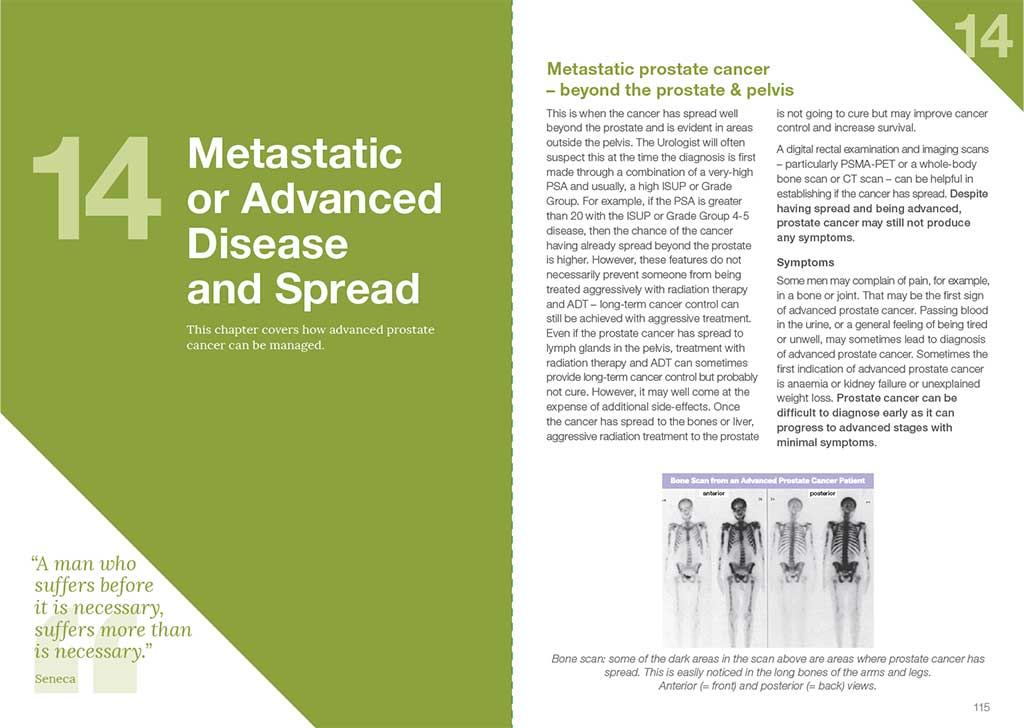
- Metastatic or Advanced Disease and Spread
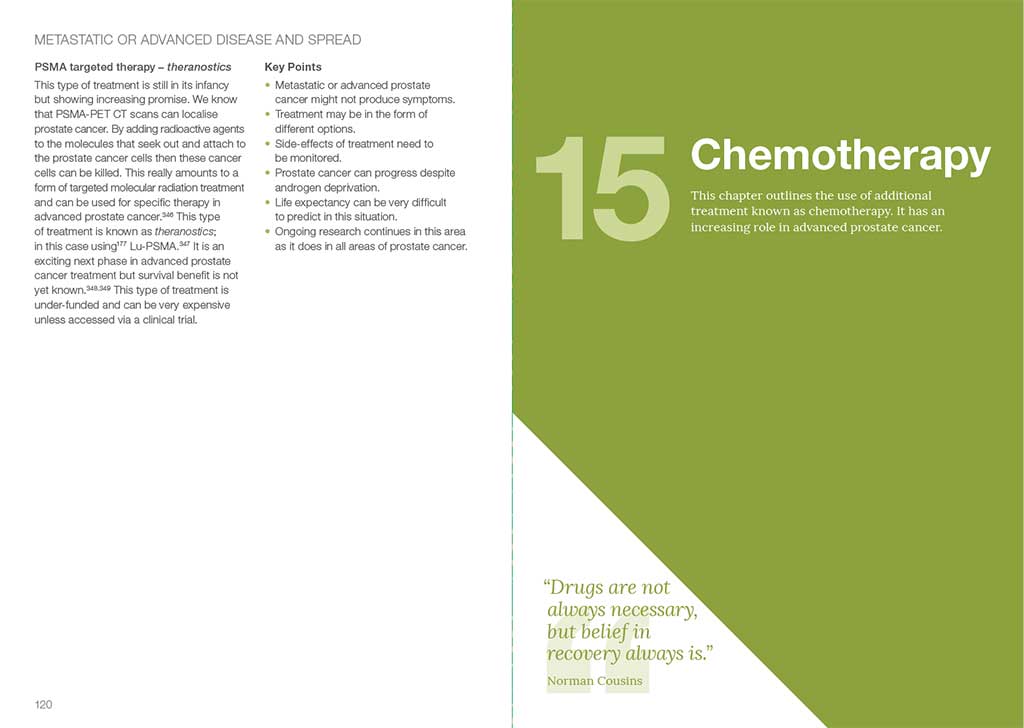
- Chemotherapy
- Urinary Incontinence
- Erectile Dysfunction (ED)
- Sex after Treatment for Prostate Cancer
- The Emotional and Psychological Impact of Prostate Cancer Decisions
- Decisions
- Palliative Care
- Basics for a Healthy Body